

Introduction
In recent years, the concept of smart grids has gained significant attention as a key component of modernizing the electrical grid infrastructure. Smart grids integrate advanced technologies to enhance grid reliability, efficiency, and sustainability. While renewable energy sources such as solar and wind power play a crucial role in the transition to smart grids, diesel generators continue to be a reliable and essential component for backup power generation and grid stability. This article explores the role of diesel generators in smart grid applications, their benefits, challenges, and the future outlook for their integration into the evolving energy landscape.
Overview of Smart Grids
Smart grids represent a paradigm shift in the way electricity is generated, transmitted, and distributed. These intelligent systems leverage digital communication technologies, sensors, and advanced analytics to optimize grid operations, improve asset management, and enable two-way communication between utilities and consumers. Smart grids enable real-time monitoring of energy consumption patterns, facilitate demand response programs, and support the integration of renewable energy sources into the grid.
Key Components of Smart Grids
Smart grids consist of several key components that work together to enhance grid efficiency and reliability. These components include advanced metering infrastructure (AMI), distribution automation systems, energy storage systems, renewable energy sources, and backup power generators. Diesel generators are an integral part of the smart grid ecosystem, providing essential backup power during grid disturbances and emergencies.
Role of Diesel Generators in Smart Grid Applications
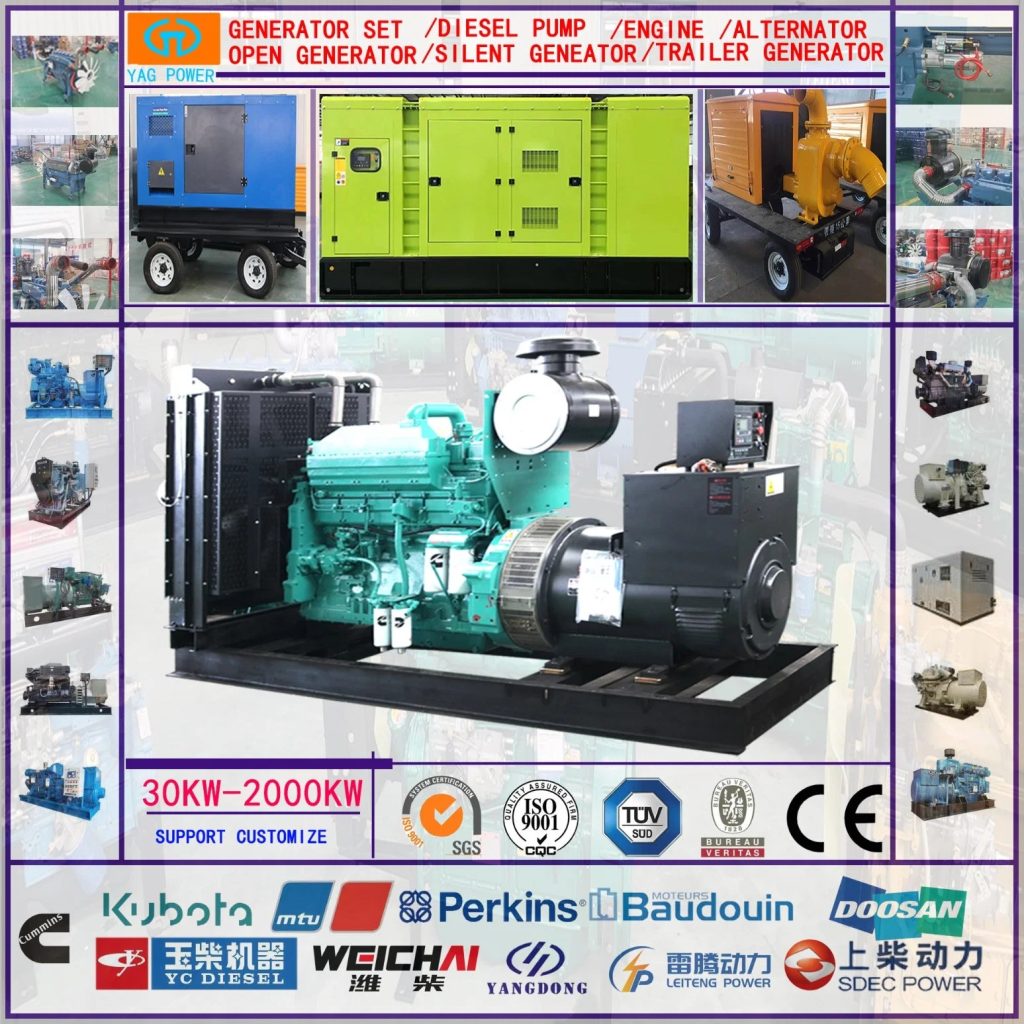
Diesel generators play a crucial role in smart grid applications by providing backup power during grid outages, peak demand periods, and emergencies. 500kw diesel generator are capable of rapidly ramping up to full capacity and can support critical loads until grid power is restored. In addition to backup power generation, diesel generators can also be used for grid support services such as frequency regulation, voltage control, and black start capabilities.
Benefits of Diesel Generators in Smart Grid Applications
1. Reliability: Diesel generators are known for their reliability and robustness, making them a trusted backup power source for critical infrastructure, hospitals, data centers, and telecommunications networks.
2. Fast Start-Up Time: Diesel generators have a quick start-up time, allowing them to respond rapidly to sudden changes in power demand or grid disturbances.
3. Fuel Efficiency: Modern diesel generators are highly fuel-efficient, providing cost-effective power generation over an extended period.
4. Scalability: Diesel generators come in a range of sizes and capacities, making them scalable to meet varying power requirements from small residential applications to large industrial facilities.
5. Grid Support: Diesel generators can provide ancillary grid support services such as frequency regulation, voltage control, and reactive power compensation, enhancing grid stability and reliability.
Challenges of Diesel Generators in Smart Grid Applications
While diesel generators offer numerous benefits for smart grid applications, they also face several challenges that need to be addressed for their effective integration into the grid.
1. Environmental Impact: Diesel generators emit greenhouse gases, particulate matter, and other pollutants that contribute to air pollution and climate change. To mitigate their environmental impact, advanced emission control technologies such as selective catalytic reduction (SCR) and diesel particulate filters (DPF) can be installed on generators.
2. Noise and Vibration: Diesel generators can produce noise and vibration during operation, which may be a concern in residential areas or sensitive environments. Proper soundproofing and vibration isolation measures can help reduce noise levels and minimize disturbances.
3. Fuel Storage and Logistics: Diesel generators require on-site fuel storage, which poses challenges in terms of fuel supply logistics, fuel quality maintenance, and compliance with regulations for fuel storage and handling.
4. Maintenance and Operation: Regular maintenance is essential to ensure the reliable operation of diesel generators. Proper maintenance schedules, monitoring systems, and trained personnel are necessary to prevent downtime and ensure optimal performance.
5. Integration with Renewable Energy: The increasing penetration of renewable energy sources such as solar and wind power poses challenges for integrating diesel generators into smart grids. Balancing the intermittent nature of renewables with the reliable backup power provided by diesel generators requires advanced control and coordination strategies.
Future Outlook for Diesel Generators in Smart Grid Applications
The future of diesel generators in smart grid applications is shaped by technological advancements, regulatory policies, and market trends. As the energy landscape continues to evolve towards a more decentralized and renewable-centric model, diesel generators will play a complementary role in ensuring grid stability and reliability.
1. Hybrid Power Systems: Hybrid power systems that combine diesel generators with renewable energy sources and energy storage technologies offer a sustainable and resilient solution for smart grid applications. These hybrid systems can optimize power generation, reduce fuel consumption, and minimize emissions while ensuring reliable backup power.
2. Advanced Control and Monitoring Systems: The integration of advanced control and monitoring systems with diesel generators enables real-time optimization of power generation, load management, and grid support functions. Remote monitoring, predictive maintenance, and autonomous operation capabilities enhance the efficiency and reliability of diesel generators in smart grid applications.
3. Energy Storage Integration: Energy storage systems such as batteries and flywheels can complement diesel generators by providing instantaneous power backup, smoothing out fluctuations in renewable energy generation, and enhancing grid stability. Integrated energy storage solutions offer a flexible and resilient approach to meeting peak power demands and mitigating grid disturbances.
4. Renewable Diesel: The emergence of renewable diesel fuel derived from bio-based feedstocks offers a sustainable alternative to traditional fossil diesel fuel for powering generators. Renewable diesel has lower carbon emissions, reduced air pollutants, and improved fuel efficiency, making it an attractive option for enhancing the environmental performance of diesel generators in smart grid applications.
Conclusion
Diesel generators play a vital role in smart grid applications by providing reliable backup power, grid support services, and emergency response capabilities. While facing challenges related to environmental impact, noise, fuel logistics, and integration with renewable energy sources, diesel generators continue to be an essential component of the modern energy infrastructure. With advancements in hybrid power systems, control technologies, energy storage integration, and renewable fuel options, diesel generators are poised to play a sustainable and efficient role in the evolving smart grid landscape. By addressing these challenges and leveraging the opportunities for innovation, diesel generators can continue to contribute to grid stability, reliability, and resilience in the transition to a smarter and greener energy future.